- 411 Posts
- 287 Comments


 5·9 days ago
You can still see it in Bluesky, you just need to enable viewing things labeled “graphic media” in the moderation settings (needs “adult content” enabled first) https://bsky.app/moderation
You can still see it in Bluesky, you just need to enable viewing things labeled “graphic media” in the moderation settings (needs “adult content” enabled first) https://bsky.app/moderation

Can we bring back talking about beans all the time on Lemmy? Asking for a friend who love beans (aka me)



 3·18 days ago
https://archive.is/oYVuY for the paywall
Unfortunately that’s not enough to solve the disease problem. The biggest problem is that the production and consumption levels are high for meat, dairy, etc. There’s a good paper which talks about animal agriculture having a “disease trap” of sorts. (The infectious disease trap of animal agriculture)
The gist is that if you operate with intensified animal agriculture, there’s the obvious disease risk with tons of creatures close together. However, if you try to do less intensive production, you increase land usage significantly which increases deforestation and thus zoonetic disease risk by exposing more wild animals to human populations
The main way out is to move away from the industry and towards the direction of plant-based diets which take up less land and don’t have the crowding issues





 10·2 months ago
Have you tried just compiling it with fewer threads? Would almost certainly reduce the RAM usage, and might even make the compile go faster if it you’re needing to swap that heavily



 18·3 months ago
Can’t speak for this specific blend sourcing they used in this study, but soy protein is usually cheaper in much of the world. It’s why most protein bars use soy protein isolate
That’s a rather excessive amount unless you mean g protein/kg instead of g protein / lbs
People who exercise regularly also have higher needs, about 1.1-1.5 grams per kilogram. People who regularly lift weights or are training for a running or cycling event need 1.2-1.7 grams per kilogram. Excessive protein intake would be more than 2 grams per kilogram of body weight each day.
2g / kg = ~0.9g /lbs for reference
Sure, but they intentionally built in large margins to these reference. Of course zero lead is ideal, but it’s not what happens in practice. The metric consumer reports used has a 1000x safety factor vs the FDA’s 10x safety factor
The FDA’s studies of dietary lead exposure show that the average American adult consumes between 1.7 and 5.3 micrograms daily through their normal food intake
[…]
The FDA, as part of its “Closer to Zero” campaign and using a 10X safety factor, has set its reference levels at 2.2 micrograms per day for children and 8.8 for women of childbearing age (to protect against accidental fetal exposure). This means that regularly exceeding these might pose health risks.
[…]
California’s Prop 65, however, used a far higher 1,000X safety factor (1,000 times lower than minimal known unsafe levels) to arrive at 0.5 micrograms of lead per day as its reference level.
From the same article as above
I assume you are referring to the consumer reports headlines, they have been greatly misleading. They have been using an extremely low level as their bar for concern. Here’s a recent piece talking about that
This is an unachievable safety target, significantly below the lead you get from average daily food consumption
[…]
But compared to the FDA’s more realistic numbers, 6.3 micrograms is 71.6 percent of the reference level for women of childearing age, meaning it’s safe even for at-risk individuals. For adult males, who are more likely to glug protein shakes, the risk is negligible. Children, with some exceptions, shouldn’t be consuming protein powder at all
[…]
And it bears noting that Consumer Reports’s tests showed levels of lead that were higher than tests of Huel carried out by the National Sanitation Foundation, an independent testing body, which showed that a serving of Huel Black came in under 3.6 micrograms
(https://archive.is/y6ZHk for paywall)
 41·3 months ago
We at least wouldn’t be at the same starting point since regardless of what happens, we’d still be with much lower environmental impact, zoonetic disease risk for society at large, number of animals in factory farms, etc.
Plant-based foods have a significantly smaller footprint on the environment than animal-based foods. Even the least sustainable vegetables and cereals cause less environmental harm than the lowest impact meat and dairy products

Yep, there is not much way around the fact that meat production and consumption must go down substantially to reduce disease risk. More intensive animal agriculture is worse for reasons like antibiotic overuse. Less intensive animal agriculture substantially raises land use which means more deforestation and more human contact with wildlife and higher disease. See the infectious disease trap of animal agriculture
The research comparing plant-based meats to animal-based meats generally has found plant-based meats to come out ahead health wise, though a whole food plant-based diet is even better
 1·3 months ago
Wait, apparently this varies from region to region after looking this up to check. In the US and Canada, Oatly is gluten free, but Europe and Asia it can have small amounts of it (from I think cross contamination)
What is linked is full of misinformation and disinformation. For instance, Canola oil does not naturally contain any trans fat and only has very small traces after refining. Dairy, for what it’s worth, also contains similar amounts trans fat
The article just also completely glances over environmental factors. Even if we took all this site’s claims as true (which we shouldn’t, they are citing someone who works for an animal ag lobby group), a claimed 1/3 emissions instead of a 75% reduction would makes it a “lie” because it doesn’t fix everything?
This site is also full of LLM generated articles with AI generated images, and this article has some signs of LLM writing: random bold, heavy em dash use, links to articles that have zero relation, etc.
 16·3 months ago
It’s now just a bit more. Just a little bit really

Though it is worth noting that almond milk is still lower than dairy across every environmental metric. Including water use weighted by water scarcity
(True of all plant milks)
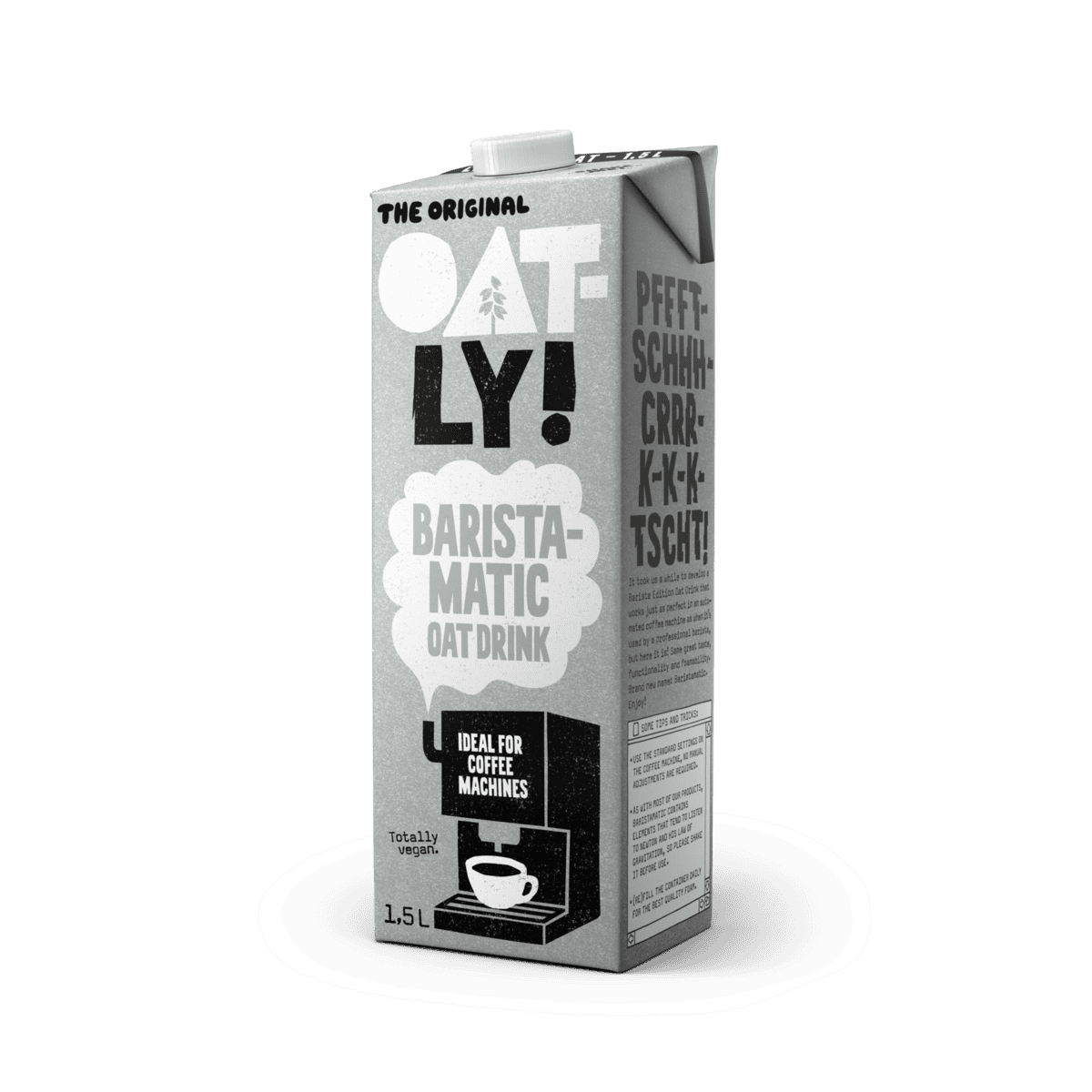
Hoisin sauce is typically vegan as is soy sauce and teriyaki among many others
So you say, yet there is more room to increase it



 5·3 months ago
I suggest read the original study instead of a paper’s interpretation of it. They suggest action, and that’s changing the suggested inhalers people use in most cases. It’s not “blame people for thing”, it’s “here’s a problem and how we can dramatically reduce it with some minor systemic changes”
All but 2 therapeutic classes (short-acting muscarinic antagonists and ICS-SABAs) had dry powder and/or soft mist inhalers available. If patients during the study period had received the inhalers with the lowest emissions intensity available at the time in each therapeutic class, total emissions would have decreased by 92%, from 24.9 million mtCO2e to 2.1 million mtCO2e (eTable 6 in Supplement 1).
[…]
This study identifies a high ceiling for potential climate-related gains from switching patients to therapeutically equivalent alternatives. Any such efforts to shift prescribing will likely depend on broadscale formulary changes—and the policies required to incentivize such changes—rather than just individual actions by patients and physicians, who may be limited by payer formularies when choosing particular inhalers
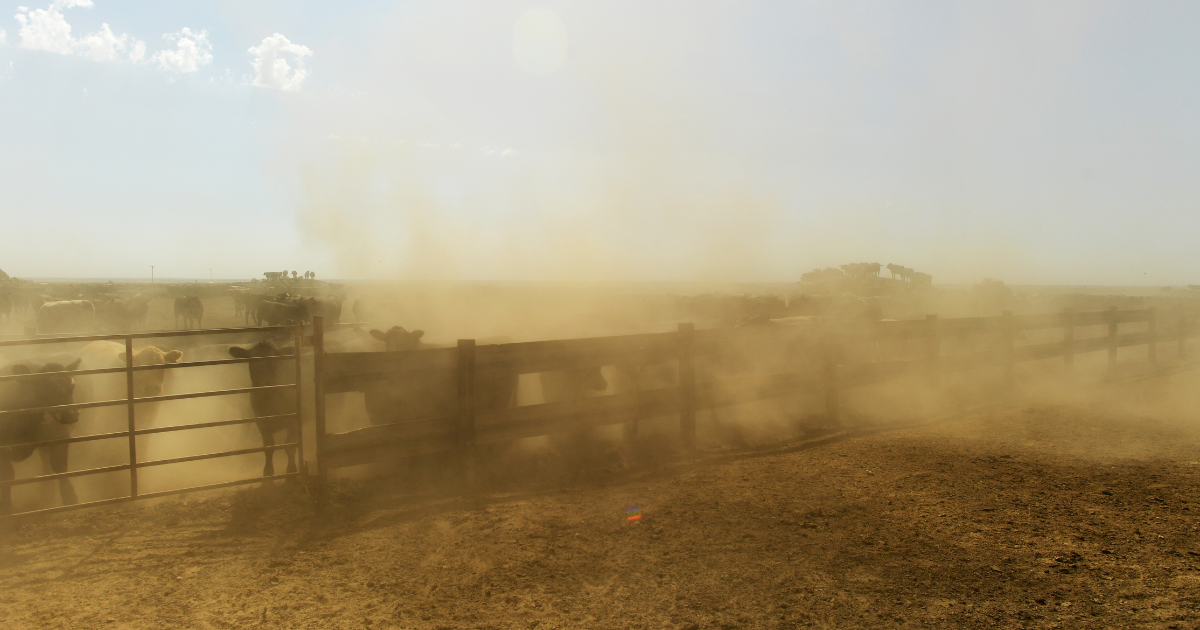


He’s uh claiming to be “ending the war on saturated fats” so one may want to re-evaluate. The focus on animal proteins (plant proteins get only side mentions) and animal fats is already going against what actual health officals say. For instance from the article: